
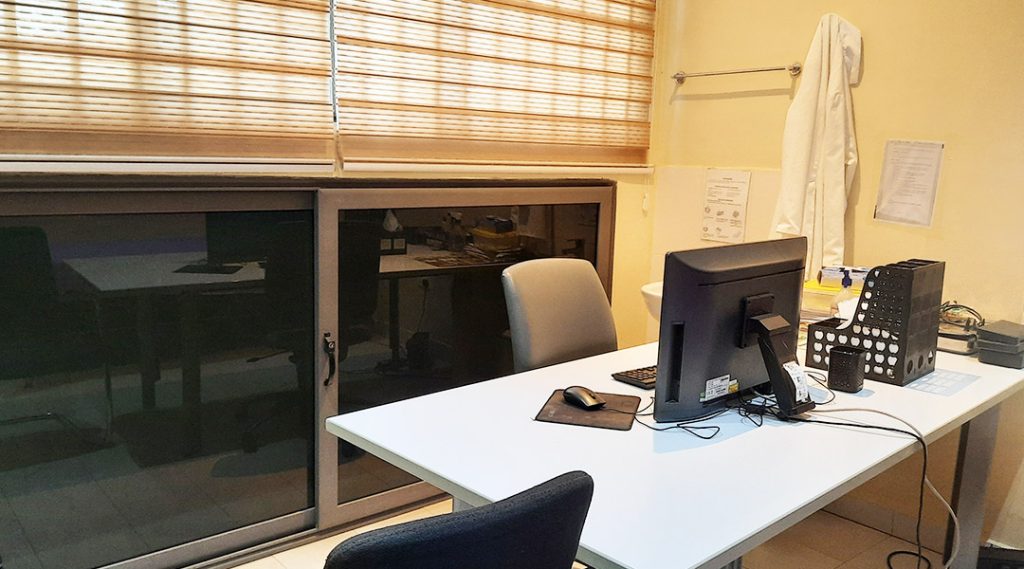
Urology
Urology is a vast and diverse field, encompassing the diagnosis and treatment of a wide range of conditions affecting the urinary tract in both men and women, as well as the male reproductive system. Here's a non-exhaustive list of services offered by urologists:
- Urinary Tract Infections (UTIs)
- Kidney Stones
- Hematuria
- Incontinence
- Prostate Cancer
- Erectile Dysfunction (ED)
- Bladder Cancer
- Pelvic Floor Dysfunction
- Ovarian Cysts
- Uterine Fibroids
Operations Done
Key Statistics
TIPS & INFO
Tips for Urology
Urology is a significant specialty that helps treat a wide range of urinary and reproductive issues. It is crucial to consult a urologist for diagnosis and treatment if you have any symptoms that you believe could be related to your reproductive or urinary system.
Frequently Asked Questions
What does a urologist do?
Urologists diagnose and treat conditions affecting the urinary tract (kidneys, ureters, bladder, urethra) and the male reproductive system.
When should I see a urologist?
If you experience any symptoms like blood in urine, difficulty urinating, pain in the bladder or kidneys, erectile dysfunction, pelvic pain, or changes in urinary habits.
Do I need a referral to see a urologist?
Many insurance plans offer direct access to urologists, but some require a referral. Consult your insurance company.
What are common procedures performed by urologists?
Cystoscopy, prostate biopsy, kidney stone removal, vasectomy, bladder repair surgery, robotic-assisted surgery.
What are the signs of prostate cancer?
Difficulty urinating, frequent urination at night, blood in urine, erectile dysfunction, pain in the lower back or rectum.
What are the treatment options for prostate cancer?
Active surveillance, surgery, radiation therapy, hormonal therapy, cryotherapy.
What causes erectile dysfunction?
Age, underlying medical conditions (diabetes, heart disease), lifestyle factors (smoking, obesity), medications, psychological factors.
What are the treatment options for erectile dysfunction?
Oral medications, injections, pumps, implants, lifestyle changes.

Opening Time
Monday – Friday
6.00 – 7:00 pm
Saturday
9.00 – 8.00 pm
Sunday
10.00 – 9.00 pm

Frequently Asked Questions
What does a urologist do?
Urologists diagnose and treat conditions affecting the urinary tract (kidneys, ureters, bladder, urethra) and the male reproductive system.
When should I see a urologist?
If you experience any symptoms like blood in urine, difficulty urinating, pain in the bladder or kidneys, erectile dysfunction, pelvic pain, or changes in urinary habits.
Do I need a referral to see a urologist?
Many insurance plans offer direct access to urologists, but some require a referral. Consult your insurance company.
What are common procedures performed by urologists?
Cystoscopy, prostate biopsy, kidney stone removal, vasectomy, bladder repair surgery, robotic-assisted surgery.
What are the signs of prostate cancer?
Difficulty urinating, frequent urination at night, blood in urine, erectile dysfunction, pain in the lower back or rectum.
What are the treatment options for prostate cancer?
Active surveillance, surgery, radiation therapy, hormonal therapy, cryotherapy.
What causes erectile dysfunction?
Age, underlying medical conditions (diabetes, heart disease), lifestyle factors (smoking, obesity), medications, psychological factors.
What are the treatment options for erectile dysfunction?
Oral medications, injections, pumps, implants, lifestyle changes.